
Do You Know What To Do When a Storm Threatens? Hurricane Preparedness for Florida Homes and Businesses
Hurricane season in Florida is not something to take lightly. Strong winds, flooding, storm surge, power outages, and communication failures can affect families and businesses within hours. The best time to prepare is before a storm is approaching, not when store shelves are empty and evacuation routes are crowded.
Whether you own a business, manage an office, or simply want to protect your household, having a clear hurricane preparedness plan can reduce damage, improve safety, and help you recover faster after the storm passes.
According to the Federal Emergency Management Agency (FEMA), preparation should begin long before hurricane warnings are issued.
Understand Your Risk in Florida
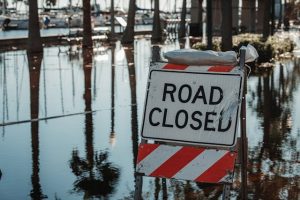
Many Florida residents focus only on wind damage, but hurricanes bring multiple threats. Flooding and storm surge are often the deadliest dangers during hurricanes, even for areas located inland.
Business owners should determine:
- Whether the office is in a flood zone
- If the building has hurricane-resistant windows or shutters
- How employees will communicate during emergencies
- Whether remote work is possible during outages
- What equipment or data needs protection
Families should also know their evacuation zones, nearby shelters, and local emergency alerts before hurricane season officially begins.
Create an Emergency Plan Before Hurricane Season
One of the biggest mistakes people make is waiting until a hurricane watch is announced to create a plan. By then, there may be limited time to act.
Your hurricane preparedness plan should include:
Emergency Contacts
Keep a printed list of important numbers, including:
- Family members
- Employees
- Utility companies
- Insurance providers
- Emergency management offices
- IT providers and cybersecurity contacts
The Centers for Disease Control and Prevention (CDC) recommends keeping emergency contact information both digitally and physically accessible.
Evacuation Procedures
Businesses should determine:
- When the office will close
- Who is responsible for shutting down equipment
- Where employees can access updates
- Which files or devices need to leave the building
Families should know:
- Multiple evacuation routes
- Pet-friendly shelters or hotels
- What supplies to bring
- How to communicate if cell service fails
Protect Important Business Data
For businesses in Florida, hurricane preparation is not only physical. It is also digital.
A hurricane can interrupt operations for days or weeks if your company loses access to:
- Client records
- Accounting systems
- Cloud applications
- Internet service
- Phones and communication systems
Businesses should back up important data before hurricane season begins and verify that backups can actually be restored when needed.
Consider preparing:
- Cloud backups
- Battery backups for networking equipment
- Remote access systems for employees
- Cybersecurity protections during outages
- Emergency communication tools
Many businesses discover vulnerabilities only after a storm causes downtime.
Build an Emergency Supply Kit
Emergency kits are essential for both homes and offices. FEMA and the CDC recommend having enough supplies to last several days without power or running water.
Your supply kit should include:
- Bottled water
- Non-perishable food
- Flashlights
- Batteries
- Portable chargers
- First aid supplies
- Prescription medications
- Cash
- Copies of important documents
- Pet supplies if necessary
Businesses should also keep:
- Backup internet solutions
- Printed employee contact lists
- Fuel for generators
- Surge protectors
- Emergency lighting
- Paper copies of critical procedures
Secure Your Property Before a Storm Arrives
Florida homes and commercial buildings should be inspected before hurricane season starts.
The National Oceanic and Atmospheric Administration (NOAA) recommends securing outdoor furniture, trimming trees, reinforcing windows, and preparing for flooding risks.
Important steps include:
Protect Windows and Doors
Use storm shutters or plywood to reduce the risk of broken glass and structural damage.
Secure Outdoor Items
Outdoor furniture, signs, equipment, grills, and loose objects can become dangerous projectiles during high winds.
Protect Electronics and Equipment
Businesses should unplug non-essential devices and elevate important equipment if flooding is possible.
Review Insurance Coverage
Many property owners are surprised to learn standard insurance policies may not fully cover flood damage. Review policies before hurricane season begins.
Communication Is Critical During a Hurricane
When storms threaten Florida, communication becomes one of the most important parts of business continuity.
Companies should establish:
- Emergency group messaging
- Cloud-based phone systems
- Remote collaboration tools
- Backup communication methods
- Employee status check-ins
Families should also identify how they will stay connected if power or internet service goes down.
Battery-powered radios and emergency alerts remain important during major storms.
What To Do During the Storm
If authorities issue an evacuation order, leave immediately. Never ignore evacuation notices.
If sheltering in place:
- Stay indoors
- Move to an interior room without windows
- Avoid flooded areas
- Keep emergency supplies nearby
- Continue monitoring official alerts
NOAA advises putting as many walls as possible between yourself and the outside during severe winds.
Recovery After the Hurricane
After the storm passes:
- Avoid standing floodwater
- Watch for downed power lines
- Document property damage with photos
- Contact insurance providers quickly
- Verify systems and data backups before resuming operations
Businesses should inspect network systems, cybersecurity protections, and communication platforms before reopening fully.
Final Thoughts
Hurricane preparedness is about protecting people first, but it is also about reducing disruption, financial losses, and long-term damage.
For Florida businesses, preparation can mean the difference between temporary inconvenience and weeks of downtime. For families, it can provide peace of mind when every minute matters.
Do not wait for a hurricane warning to start planning. The actions you take today can make all the difference when the next storm threatens Florida.