Why Florida Businesses Are Facing a New Cybersecurity Problem
For years, business owners were told employees should “look for spelling mistakes” or suspicious wording in phishing emails.
That advice no longer works.
Artificial intelligence has completely changed phishing attacks. Today’s fake emails are polished, professional, personalized, and frighteningly believable. Many of them sound more professional than legitimate business communication.
Florida businesses, especially healthcare offices, law firms, nonprofits, and small companies with limited IT resources, are becoming prime targets.
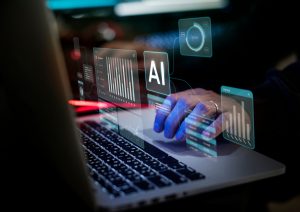
Cybercriminals are now using AI tools to:
- Mimic writing styles
- Create fake invoices
- Impersonate vendors
- Generate realistic HR emails
- Clone internal communication patterns
- Launch phishing campaigns at scale
The dangerous part is this: employees may no longer notice obvious red flags.
What Is AI Phishing?
AI phishing is a cyberattack that uses artificial intelligence to create more convincing scams.
Instead of generic emails full of grammatical mistakes, attackers can now generate:
- Personalized emails using company information
- Fake Microsoft 365 alerts
- Fake DocuSign requests
- Realistic voicemail transcriptions
- Fake payroll requests
- Executive impersonation emails
Some attacks even reference:
- Recent LinkedIn activity
- Company staff names
- Real vendors
- Actual business events
This makes employees much more likely to trust the message.
Why Small Businesses in Florida Are Vulnerable
Many SMBs believe hackers only target large corporations.
In reality, small businesses are often easier to attack because they:
- Have fewer cybersecurity protections
- Lack employee training
- Use weak passwords
- Have limited IT monitoring
- Depend heavily on email communication
Industries like healthcare and legal are especially attractive because attackers know downtime is costly and sensitive information is valuable.
Common AI Phishing Examples in 2026
Fake Microsoft 365 Security Alerts
Employees receive emails warning about “unusual login activity” and are directed to fake login pages.
Fake Vendor Invoices
Attackers impersonate suppliers and request payment changes.
HR and Payroll Scams
Employees receive fake direct deposit update requests or benefits notifications.
QR Code Phishing
Also known as “quishing,” these scams use QR codes to direct employees to malicious websites.
AI-Written Executive Emails
Cybercriminals impersonate CEOs or managers asking employees to send payments urgently.
Why Traditional Security Awareness Training Is Struggling
Employees were trained to spot:
- Bad grammar
- Strange formatting
- Obvious fake emails
AI has removed many of those warning signs.
Modern phishing emails now:
- Use proper branding
- Sound natural
- Mimic human tone
- Include contextual details
- Avoid suspicious wording
This is why cybersecurity today requires more than occasional employee reminders.
How Businesses Can Reduce AI Phishing Risks
Enable Multi-Factor Authentication (MFA)
Even if passwords are stolen, MFA adds another security layer.
Use Advanced Email Filtering
Modern email protection tools can detect impersonation attempts and malicious links.
Train Employees Continuously
Security awareness should be ongoing, not annual.
Verify Payment Requests
Businesses should require verbal confirmation for financial changes or wire transfers.
Monitor Accounts for Suspicious Activity
Early detection can prevent major damage.
What Happens If a Business Falls for AI Phishing?
The consequences can include:
- Financial fraud
- Ransomware infections
- Stolen client information
- Email account compromise
- Reputation damage
- Downtime
- Compliance violations
For Florida businesses handling sensitive data, recovery can become extremely expensive.
Frequently Asked Questions
Can AI really create realistic phishing emails?
Yes. AI tools can generate highly convincing emails that sound human and professional.
Are small businesses targeted by phishing attacks?
Absolutely. Small businesses are often easier targets because they usually have fewer security resources.
What industries are most targeted?
Healthcare, legal, finance, nonprofit, and professional services are common targets.
What is quishing?
Quishing is phishing that uses QR codes to direct victims to malicious websites.
Can cybersecurity training still help?
Yes, but businesses need modern training focused on current attack methods.
Final Thoughts
AI has made phishing attacks harder to recognize than ever before.
Employees are not necessarily becoming careless. The attacks themselves are becoming smarter.
Businesses that rely on outdated cybersecurity practices may struggle to keep up with the new generation of threats.
The best defense combines:
- Employee awareness
- Modern security tools
- Multi-factor authentication
- Monitoring
- Proactive IT support
Florida businesses that adapt early will be in a much stronger position to reduce risk and avoid costly disruptions.